

Thinking caps
The headwear trend toward anti-surveillance and "offline" fashion. Plus, 1940s hat inspiration + bonnet experiments

Note: Still thinking about L.A.’s recovery — sharing some regularly updated mutual aid resources.
Here at Loose Buttons, I am against blindly following trends, and all about picking and choosing what to keep from the ether. But that doesn’t stop me from being a trend observer. My day job is in user research — I like dissecting why certain styles and behaviors spring up when they do, and what cultural forces might be at play.
And right now, the culture is going through a vibe shift on hats. As a bucket hat devotee, I’m thrilled hats are creeping back into outfits and on runways. Most fashion publications have declared them back in. Of course, this has been a long time coming. There’s been stagnation in headwear styles in the past few decades, as most of us have played it safe with baseball caps, knit beanies, and bucket hats (if we wore one at all).

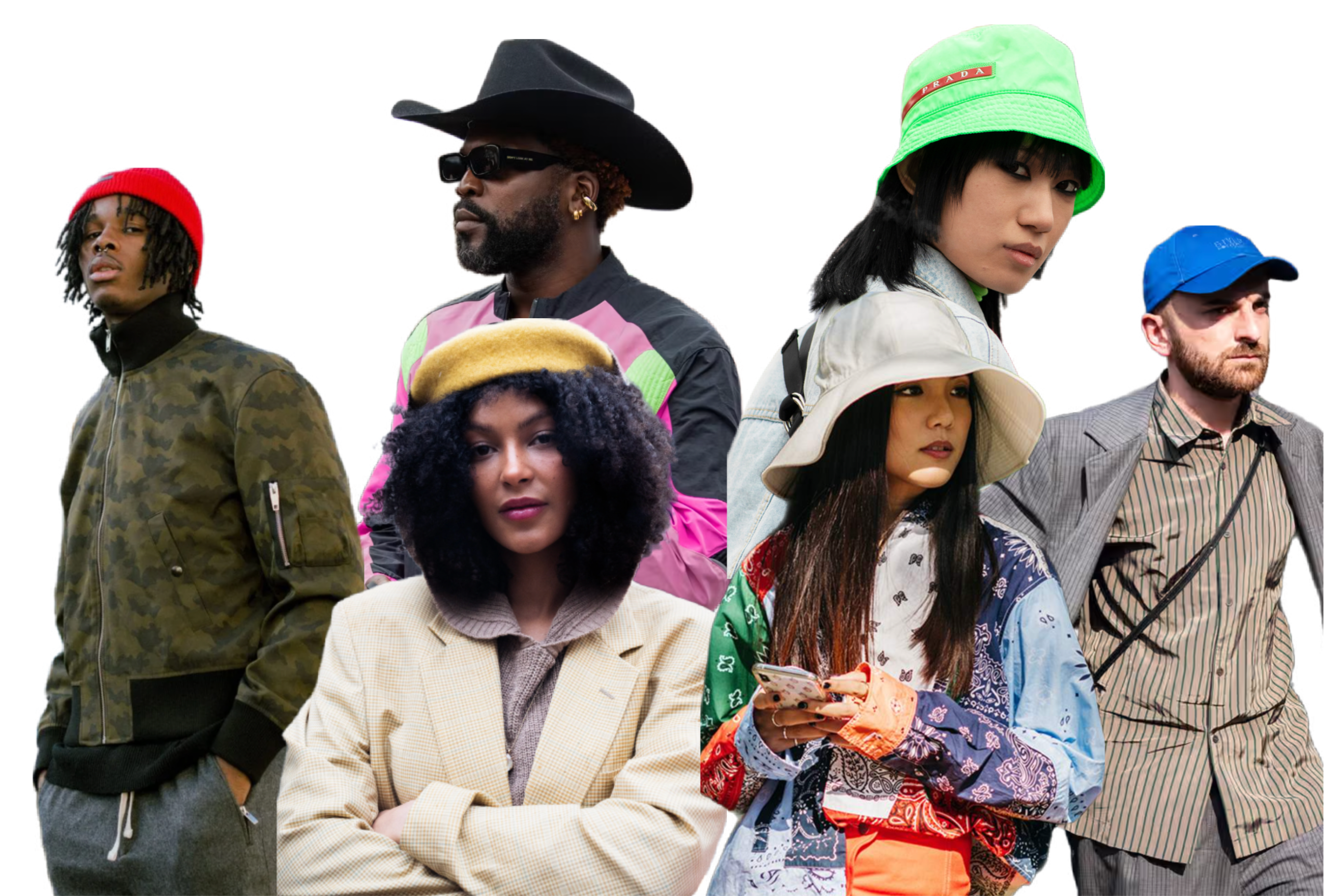
How did we get here? Emilia Petrarca writes in Harpers Bazaar that social norms changed after the world wars, and not wearing a hat denoted a sense of freedom. However, Petrarca also notes headwear never truly went away for certain communities (i.e., religious reasons), and that recent movements, such as Black Lives Matter and those supporting LGBTQ+ rights, helped to encourage self-expression.
Among mainstream fashion trends, long-dormant styles such as pillboxes and modernized bonnets coming back. There’s “a newfound excitement in getting dressed up,” writes Rachel Hodin for W Magazine. It’s time for experimentation – “kooky hats are back,” Interview Magazine declares after reviewing Loro Piana SS25’s bow bonnets and banana leaf bucket hats.
However, there might be more treacherous reasons floating up in the ether. With facial recognition and biometric tracking becoming the norm in our wearables, privacy concerns have fueled interest in anti-surveillance clothing, such as facial-blocking clothing and accessories.
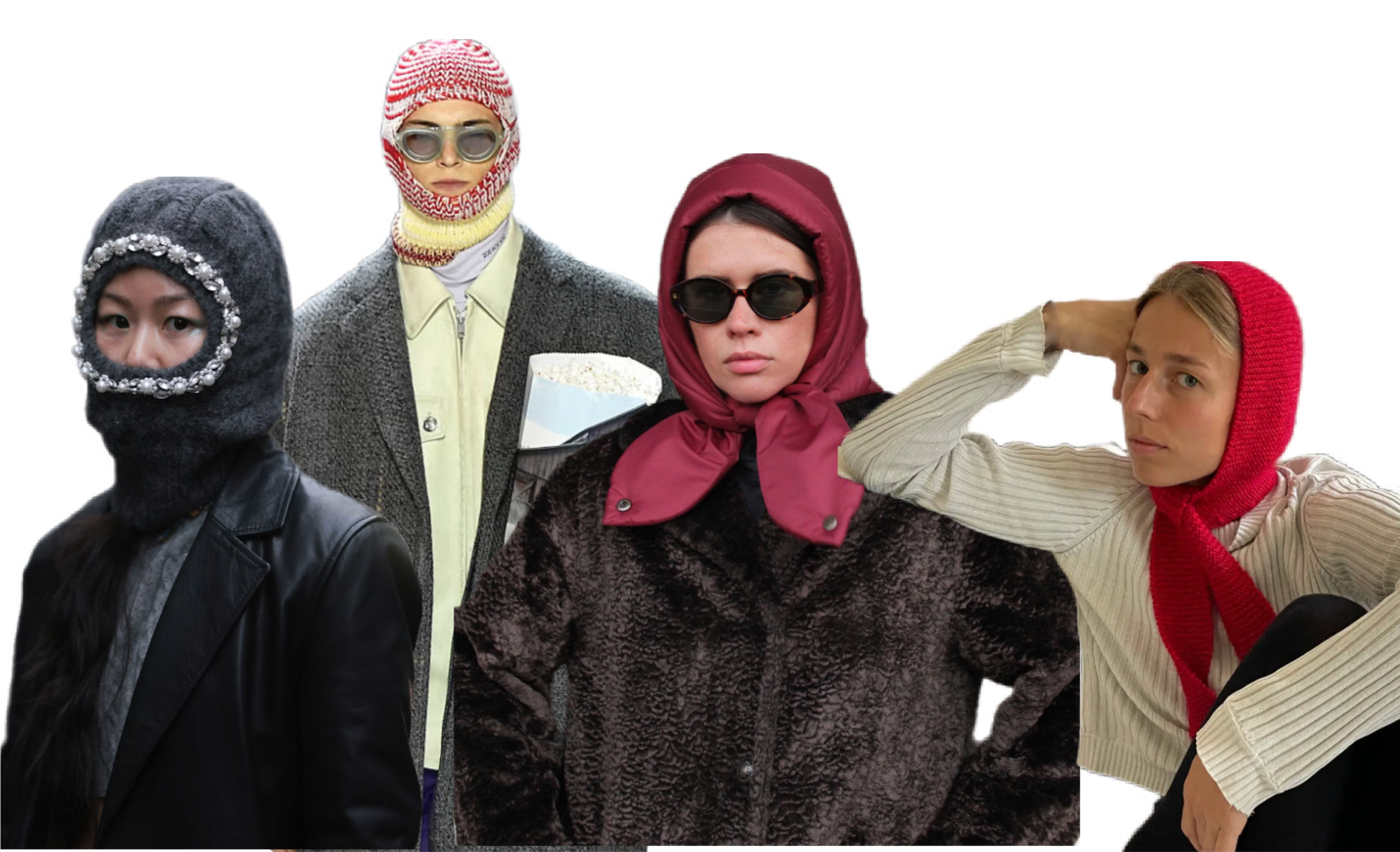
Mandy Lee writes in Cyclical about the hat trend connection to surveillance:
“It’s so important to consider culture, the economy, socioeconomic issues and the overall political temperature when discussing fashion. Fashion and trends often feel like a fun escape but they are a direct reflection of the bigger picture and to think politics don’t dictate what’s happening in the industry at large is foolish.
Some of the biggest current trends fall into this anti-surveillance category like bonnets, hoods, face masks, high collars, opulent head pieces, scarfs that hid your mouth, and huge sunglasses…
Important to note this trend won’t be marketed as anti-surveillance or called something like How to Hide From Facial Recognition Chic. It will take shape in a more secretive insidious way which I’m totally for.”
I definitely agree with Lee that anti-surveillance headwear is an interesting (if not depressing) accessory to emerge in our political climate. I also think there’s some privilege in being able to choose your mode of privacy and wear it as easily as an accessory, without fear of retribution. For example, while the balaclava has made it to the fashion mainstream, it remains a heavily policed accessory when worn by Black and brown youth. If anti-surveillance fashion becomes a widespread desire, will these accessories become banned or hard to find?
I also think broadly, these anti-surveillance trends might also be a reflection of social media burnout. Anne Helen Petersen recently wrote about offline vibes and posting less, which has me reflecting on the nuances of visibility on the Internet. With the seismic changes going on with the social apps recently, many people — especially ones who came of age with the Internet — are opting out of sharing too much or even at all.
Though hyper-visibility has permeated in past style trends, a growing disinterest in Being Perceived is driving a desire for sartorial anonymity. Kayla Marci writes more on offline dressing:
“Following an age of oversharing, perhaps the biggest change for emerging fashion influencers will be presenting themselves as faceless online. Hiding behind objects and cropping heads out of photos to shield themselves from the internet’s critiques and paraosical behavior, not just to strike a pose.”
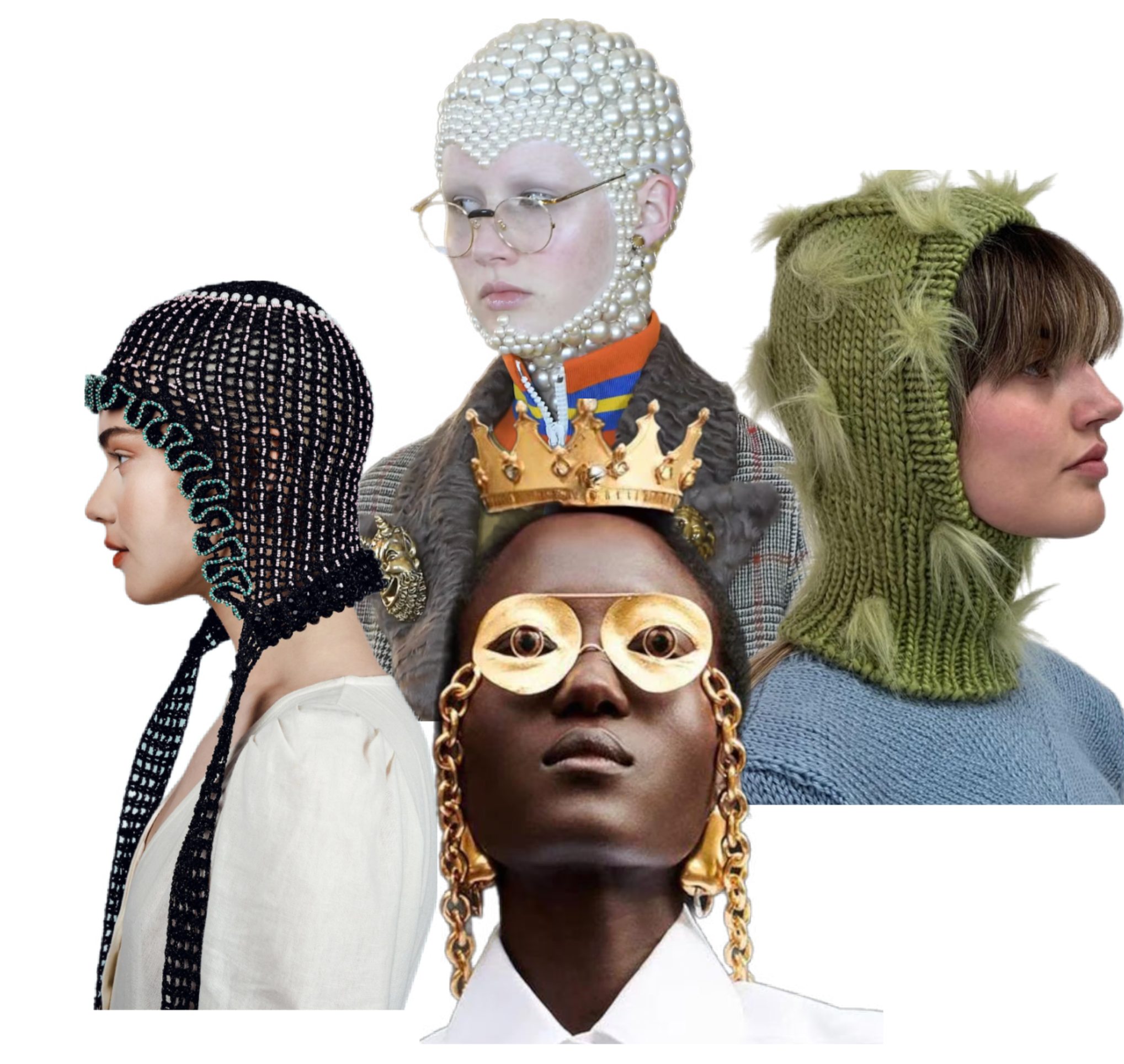
I’m not sure if I will ever be a regular balaclava-wearer for peripheral vision reasons, but it will be interesting to see if more offline behavior pushes us toward fashion that obscures our recognizable features. My hope is, if we’re going the anti-surveillance route, could we at least have some fun with it? Let’s go handmade, weird, and surreal. Some ideas:
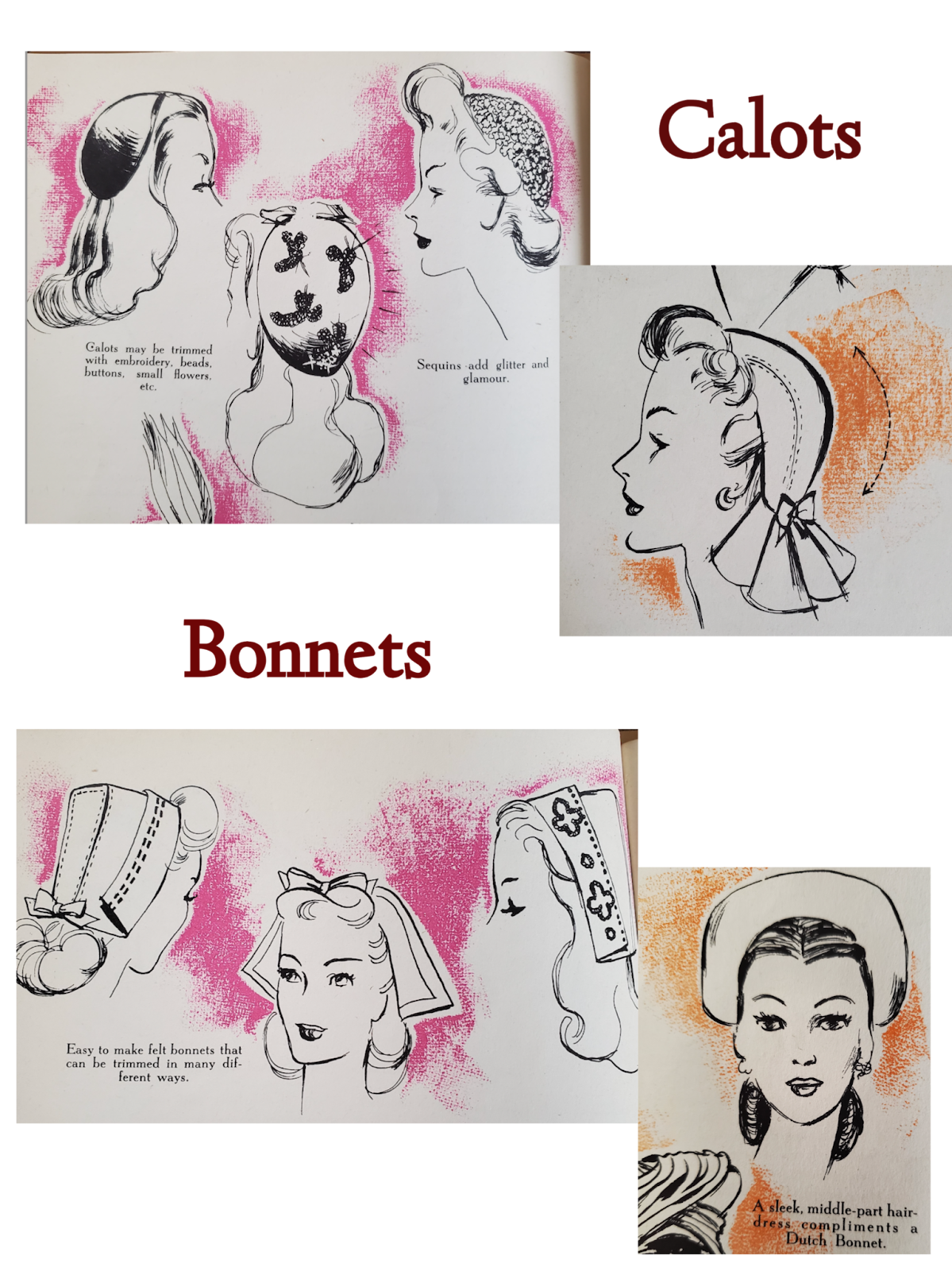
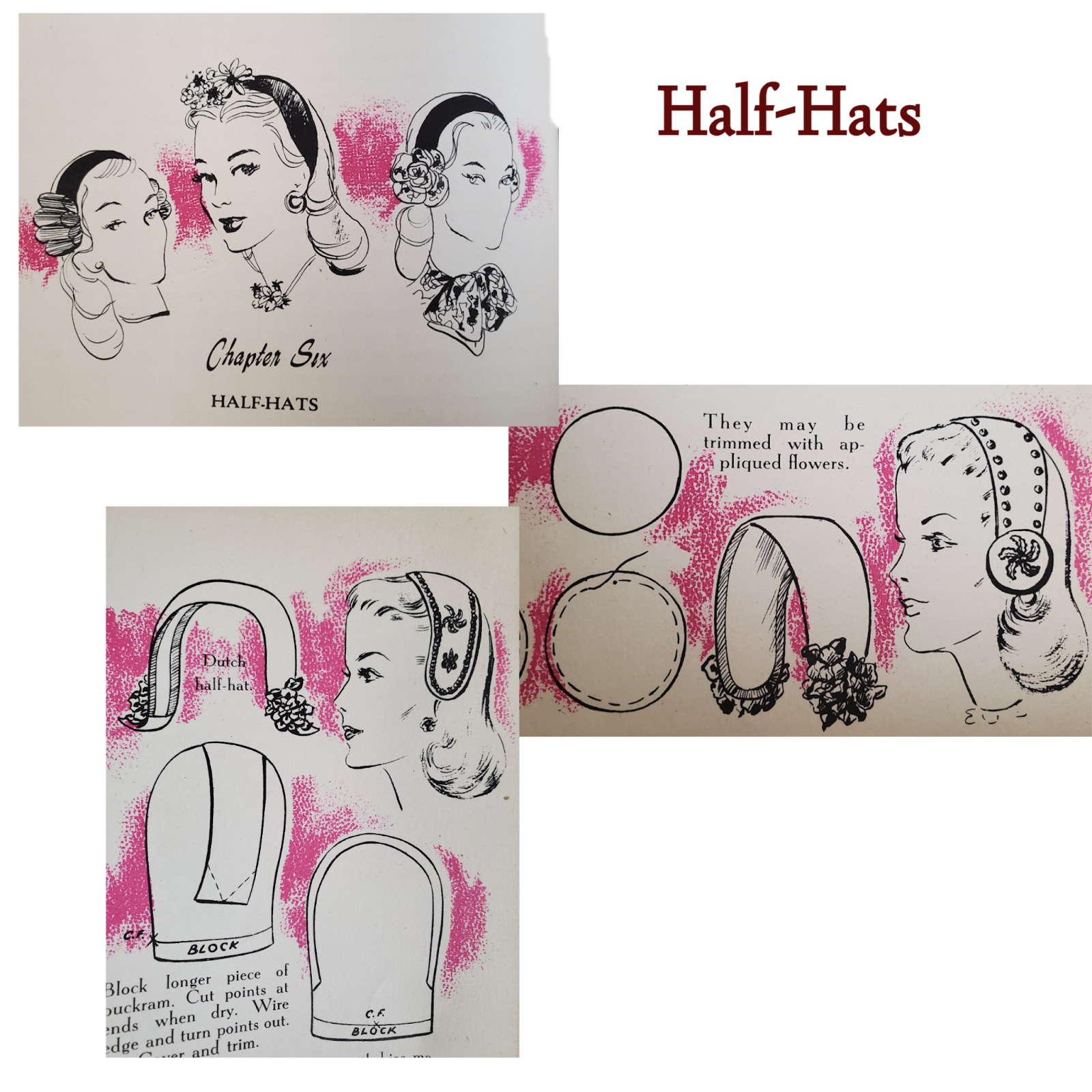
On a more joyful pivot, I think we could find inspiration in a decade that really knew hats – the 1940s. One of my favorite craft books is a primer called “How to Make and Trim Your Own Hats” by Vee Powell (shown below – here’s a copy I found available on eBay). It’s an instruction manual to teach women how to hand-block, build, and revise their hats to keep up with the trend cycles. It also is a good inspiration trove – swaggy fedoras, pillboxes, pompadours, and bowler hats were all the rage.
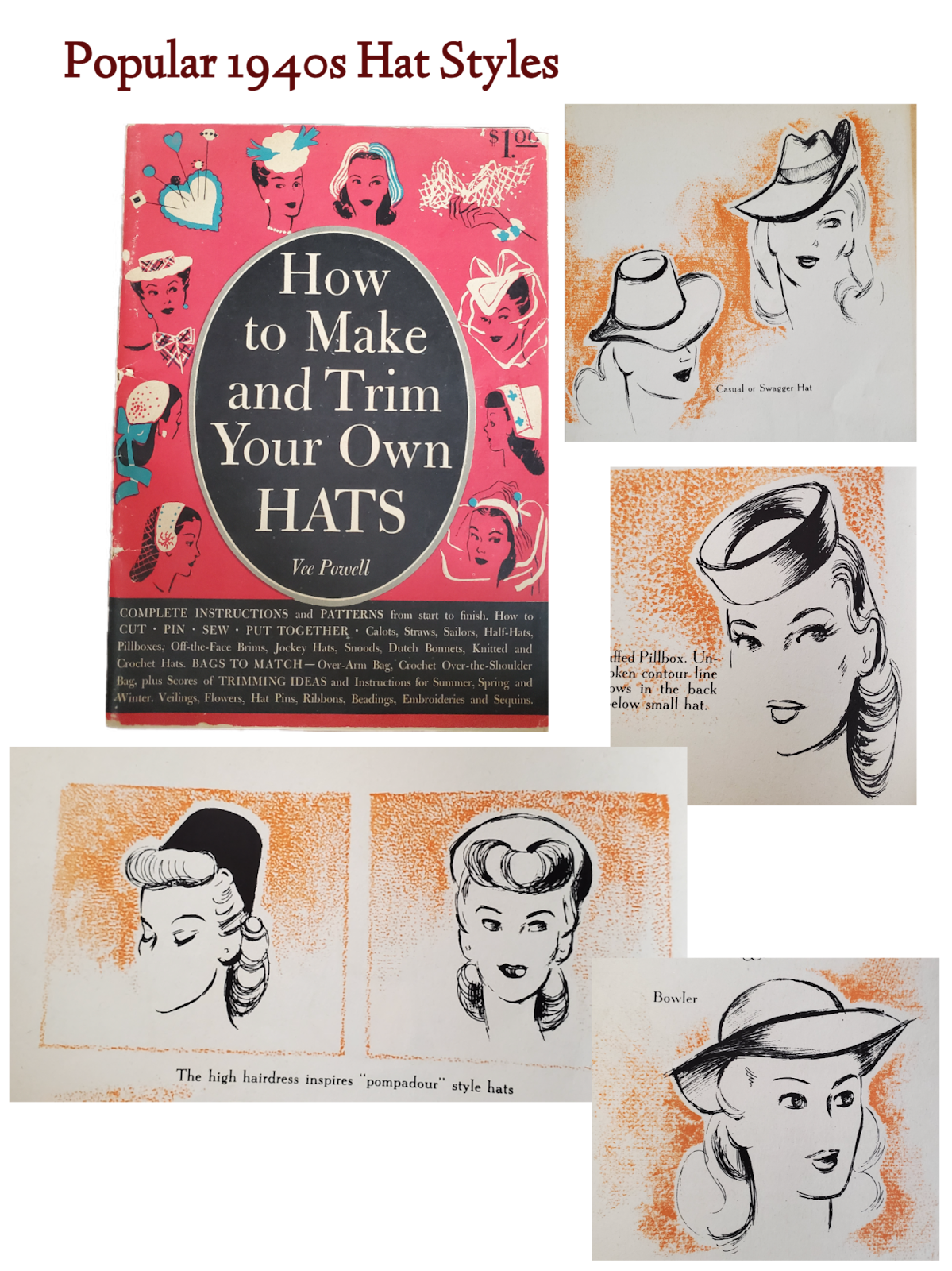
In addition, the manual shows off some styles that are lesser-known today but could seriously make a comeback: Calots. These were a bit offset from the forehead and covered more of the back of the head. Classic Juliet caps are usually calots. If we wanted to go surveillance chic on these patterns, I could see these including half veils.
I’m also a huge fan of half-hats, which are like a hybrid headband/hat option, similar to British fascinators.
Some of my favorite recent looks have embodied these styles:

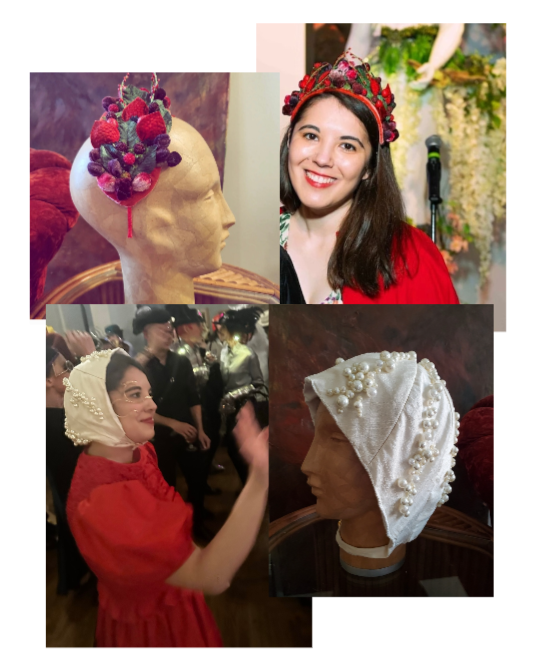
I’ve experimented in making my own styles, through patterns, sewing, and relying on hot glue (right now just for personal use, but who knows?). Below are some personal handmade examples from recent themed costume events. The Renaissance floral half-hat involved a lot of hot glue and vintage millinery supplies (including velvet fruit). The “Handsmaid’s Tale” futuristic bonnet is based off a pattern that I sewed and then hand-stitched pearls all over. I’m currently working on a spring bonnet (tbd)!
Extended reading:
25 2025 Fashion Industry + Trend Predictions | Mandy Lee, Cyclical
The children yearn for anonymity | Haute Garbage
Fashion meets privacy for the age of surveillance | CyberNews
Hats aren’t just for losers | Frock Flicks
Bonnet girl autumn is officially upon us | W Magazine
Kooky Hats are back at Loro Piana | Interview Mag
Hats are back on top | W Magazine
The 50 most remarkable hats of all time | The Cut
I love your love for hats! <3 I've been seeing a lot of the anti-surveillance type head coverings and it definitely makes sense that things like that are trending given the environment.
Re social media burnout--sample size of 1 here but I'm definitely feeling it. As a 37-year-old who has basically been online since I was 12 (so, 25 freaking years!), I'm exhausted and want to start moving in silence a bit more. Why do I feel compelled to share that I did two boutique workout classes in one day with people? No one really cares at the end of the day, and the extrinsic motivation of a few hearts or likes shouldn't be motivating. I'm tired of chasing the temporary mood boosts for so little payoff.